Memory HealthDeskSee the offer
Phytomem One · independent guide

Phytomem One Ingredients: What Is Inside and What the Research Says

Short answer: Phytomem One lists 10 ingredients: saffron extract, fucoxanthin, fucoidan, oleuropein (olive leaf), berberine HCl, Ceylon cinnamon, corosolic acid (banaba leaf), kudzu flower extract, Morosil (red orange extract) and xylitol. The seller does not publish how much of each is in a serving. Saffron is the only one with small trials on memory; most of the others are studied for blood sugar.
Affiliate disclosure: we may earn a commission. This is not the seller’s website.

Updated · 5 min read · Read the full Phytomem One review
Phytomem One

The full Phytomem One ingredients list

The sales page groups the 10 ingredients into three 'complexes'. We copy the names as the seller prints them; the amount per serving is not published anywhere we could find, including the seller's page and press releases.

IngredientGroup on the sales pageWhat it is
Saffron extract (Crocus sativus L.)Stranglehold Defense MatrixSpice extract; small trials on memory and mood
Fucoxanthin (Japanese sea kelp)Stranglehold Defense MatrixSeaweed pigment, usually sold for weight loss
Fucoidan (Japanese sea kelp)Stranglehold Defense MatrixSeaweed fiber
Oleuropein (olive leaf extract)Stranglehold Defense MatrixOlive leaf compound; antioxidant
Berberine HClBrain Fuel Restoration ComplexPlant compound that lowers blood sugar
Ceylon cinnamon barkBrain Fuel Restoration ComplexBark sold for blood sugar
Corosolic acid (banaba leaf)Brain Fuel Restoration ComplexBanaba leaf compound sold for blood sugar
Kudzu flower extractBrain Fuel Restoration ComplexFlower extract
Morosil (Sicilian red orange extract)Neural Amplifier SystemRed orange extract sold for weight management
XylitolNeural Amplifier SystemSugar alcohol sweetener

Saffron: the ingredient with memory research

Saffron is the strongest part of the formula on paper. A 2020 meta-analysis of randomized trials found saffron may help cognitive function in people with Alzheimer's disease and mild cognitive impairment, but the authors said more high-quality studies are needed.

A 2013 meta-analysis of five small trials found saffron reduced depression symptoms compared with placebo. Low mood can make memory feel worse, which is one reason saffron shows up in brain formulas. Two of the authors declared consulting for a saffron supplier.

What we cannot tell you is whether Phytomem One contains the 30 mg per day used in most saffron trials, because the dose is not published.

See the full ingredient panel and current offer on the seller's page

Go to the seller pageYou will leave this site. We may earn a commission.

Berberine, cinnamon, banaba and kudzu: the blood-sugar group

Four ingredients (berberine, Ceylon cinnamon, corosolic acid from banaba leaf and kudzu flower) are studied for blood sugar, not memory. The sales page links them to 'Type 3 Diabetes', a term some researchers use for insulin resistance in the brain.

NIH's NCCIH says berberine may modestly lower blood glucose in people with type 2 diabetes and might interact with medicines. For cinnamon, NCCIH says it is unclear whether supplements help with diabetes. A 2020 review notes that the exact link between Alzheimer's disease and type 2 diabetes is still debated.

  • Helpful context: if you have diabetes or take blood-sugar medicine, talk to your doctor before trying a formula built around berberine.
  • Not proven: that lowering blood sugar with these ingredients improves memory in healthy adults.

Fucoxanthin, fucoidan, oleuropein and Morosil

These four are antioxidants or compounds usually sold in weight-management products. The sales page says fucoidan reduces oxidative stress in brain tissue 'by up to 40%' and that fucoxanthin supports new neural connections, but it cites no human trial for those figures on the page. Claims like these usually come from lab or animal studies.

The page also ties these ingredients to the 'Plastic Stranglehold', its name for microplastics in the brain. A 2025 study in Nature Medicine did find micro- and nanoplastics in human brain tissue, but it tested no supplement, and the authors say their data show an association, not a cause.

Xylitol: why it is in there and one warning

Xylitol is a sugar alcohol used as a sweetener. The seller says it provides fuel without spiking blood sugar. It is safe for people in normal amounts, but the FDA warns it is poisonous to dogs, so keep the bottle out of reach of pets.

What is missing from the ingredient information

  • No Supplement Facts panel with amounts per serving.
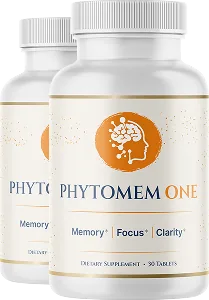
  • The bottle in the photos says '30 Tablets' while the FAQ says 'one capsule daily'.
  • No third-party lab test or study of the finished formula.
  • The FDA does not approve dietary supplements for safety or effectiveness before they are sold.
FAQ

Questions about Phytomem One

What are the ingredients in Phytomem One?

Saffron extract, fucoxanthin, fucoidan, oleuropein (olive leaf), berberine HCl, Ceylon cinnamon, corosolic acid (banaba), kudzu flower extract, Morosil and xylitol.

How much saffron is in Phytomem One?

The seller does not publish the amount of saffron or of any other ingredient.

Does Phytomem One contain caffeine or stimulants?

The seller says it is stimulant-free, and none of the 10 listed ingredients is a stimulant.

Is Phytomem One a tablet or a capsule?

The bottle in the seller's photos is labeled '30 Tablets', while the FAQ says to take one capsule a day with food.

Phytomem One

Check the offer and the return policy on the seller page

Go to the seller pageYou will leave this site. We may earn a commission.